Male Fertility, Emotional Experience, and Why the Silence Has a Biological Cost
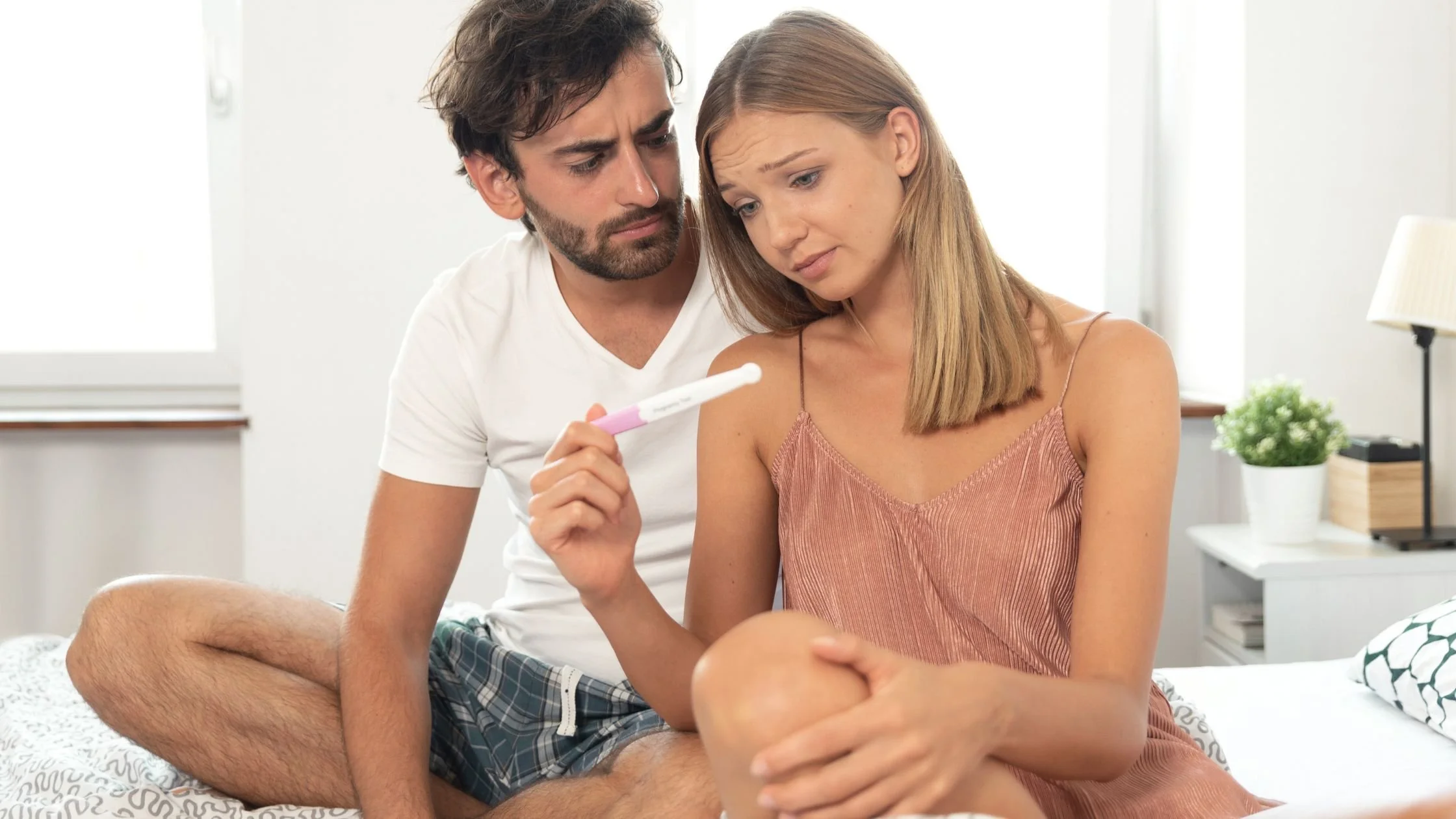
When a fertility diagnosis involves a male factor, the conversation almost immediately turns to the numbers. Sperm count, motility, morphology. What the figures mean, what the options are, what happens next. The clinical picture is assessed and a plan is made.
What is almost never addressed is what it is like to receive that news. What it does to a man's sense of himself. What he carries home from that appointment, and where he puts it, and what it does to his body when he has nowhere to put it at all.
This article is about that. And about why it matters not just emotionally, but biologically.
The Silence Around Male Fertility and Emotional Experience
Male infertility is already significantly underrepresented in the fertility conversation. Despite accounting for up to 50% of cases where a cause is identified, the focus of investigation, treatment, and emotional support has historically centred almost entirely on the woman.
When a male factor is identified, men are frequently handed a diagnosis and a set of lifestyle recommendations and sent home. There is rarely a conversation about how the diagnosis lands, what it means to the man receiving it, or what support is available for the emotional dimension of the experience.
The result is that the majority of men navigating a male fertility diagnosis do so alone, carrying something significant in silence, without language for it and without a space to process it.
This silence is not simply an emotional cost. It is a physiological one.
Why the Emotional Experience of Male Infertility Is Biologically Significant
The relationship between emotional experience and male reproductive health is direct and well documented. Chronic psychological stress elevates cortisol. Chronically elevated cortisol suppresses testosterone through the same HPA axis mechanism that affects female reproductive hormones. Suppressed testosterone reduces sperm production, impairs sperm motility, and affects sperm DNA integrity.
This means that the unprocessed grief, shame, fear, and self-blame that a male fertility diagnosis typically produces, and that goes largely unaddressed by the medical system, is not a parallel experience running alongside the biological picture. It is part of the biological picture. It is actively contributing to the sperm parameters that the clinic is trying to improve.
And it is not addressed by lifestyle advice, antioxidant supplements, or a repeat semen analysis in three months.
What Men Actually Experience After a Male Fertility Diagnosis
Shame and the Sense of Having Failed
For many men a fertility diagnosis touches something that goes to the core of identity. The sense of having let a partner down, of the body failing at something fundamental, of masculinity being implicated in a way that is difficult to articulate but impossible to ignore. Shame is one of the most physiologically costly emotional experiences the human body can have, producing sustained cortisol elevation and nervous system activation that compounds the biological picture directly.
Grief That Has No Recognised Form
The grief of a male fertility diagnosis rarely receives the recognition that female fertility grief does. There are few spaces where men are invited to name what they are losing — the future they imagined, the ease they assumed, the version of fatherhood they had not yet examined but had quietly expected. Without that recognition, the grief goes unprocessed. And unprocessed grief is held in the body.
Fear of the Future and Fear of Not Being Enough
Fear about whether conception will happen, about what it means for the relationship if it does not, about whether there is something fundamentally wrong that cannot be fixed, creates a sustained state of nervous system activation that sits underneath everything and is rarely named directly. Many men describe this as a background hum they are not sure how to address because acknowledging it feels like it will make it more real.
The Weight of Watching a Partner Go Through Treatment
When a fertility journey involves medical treatment for a female partner, the male partner frequently experiences a particular kind of helplessness. He is watching someone he loves go through something physically and emotionally demanding, he is aware that his own biology is part of the reason, and he has very little active role to play in the process. The combination of guilt, helplessness, and the sense of being on the periphery of something central carries its own specific weight that is almost never addressed.
Why the Subconscious Dimension of Male Fertility Matters
Beyond the immediate emotional experience of a diagnosis, many men carry subconscious patterns around fatherhood, masculinity, worthiness and safety that have roots in their own history and in the generations before them. Fears about repeating the patterns of their own father, unconscious beliefs about whether they deserve to be a parent, ancestral patterns around loss, displacement or danger that have been transmitted epigenetically and sit in the nervous system without a conscious address.
These patterns are not imagined. They are biological. They operate through the same HPA axis and cortisol mechanisms that are directly affecting sperm health. And they require a form of intervention that goes beyond lifestyle change or medical treatment to reach them.
How Our Two Programmes Address the Full Picture for Men
The Fertility Boost Programme
The Fertility Boost Programme treats both partners as equally essential. The programme combines Kambo, an ancient Amazonian practice, with the IAKP Fertility Acupuncture Point Sequence — four sessions over 25 days, led personally by Claire from beginning to end.
For men the acupuncture points are placed on the right upper arm following the IAKP Fertility Acupuncture Point Sequence, drawing on thousands of years of Traditional Chinese Medicine wisdom around male reproductive health and energy meridians.
Due to UK advertising regulations we are sadly unable to make specific claims about what Kambo does for male fertility specifically. What we can share is that many of the male clients and couples who come to us describe feeling something shift that nothing else had reached. A sense of hope returning. A feeling of moving forward rather than standing still. A renewed connection with their body and their journey.
We are proud to receive photos of our clients with their newborn babies. Many have gone on to have second babies with no issues too.
We invite you to read our client testimonials and make your own judgement.
Conscious Conception Fertility Hypnotherapy
Conscious Conception Fertility Hypnotherapy is as powerful and relevant for men as it is for women. The four hour session creates the space to reach and process what a male fertility diagnosis leaves behind.
The shame. The grief. The fear. The patterns around fatherhood and worthiness that go unaddressed in every other context. Many male clients describe this as the most unexpected part of the work, and the most significant.
The session works with Subconscious and Emotional Blocks, Self Worth and Self Love, Body Permission and Physical Systems, Past Life and Soul Contracts, Ancestral and Family Patterns, Forgiveness and Release, and Spiritual and Vibrational Alignment.
Available in person in Beckenham, Kent, and online worldwide.
A Note for Partners Reading This
If you are a female partner reading this article because you are trying to find a way to support the man in your life with his fertility diagnosis, the most valuable thing you can do is not to fix it or find the solution for him. It is to create the space for him to acknowledge what he is carrying, without immediately moving to problem solving, without minimising the diagnosis in an attempt to reassure him, and without making his experience secondary to your own.
And if either programme feels like it might be relevant, sending Claire a WhatsApp message is a low stakes first step. She has spoken with many couples at exactly this point and many men who were initially reluctant to engage with anything that addressed the emotional dimension. She will meet him, and you, exactly where you are.
Starting the Conversation
If you are a man navigating a fertility diagnosis and you have found this article, the fact that you are here matters. Send Claire a WhatsApp message. Tell her where you are. She will respond personally, without judgement, and with honesty about what either programme can offer for your specific situation.